

Education should be the great equalizer, it should open doors to opportunities, ignite passions, and nurture the leaders of tomorrow. But instead, it sometimes feels like a dysfunctional circus where underfunded schools juggle too many problems at once. Between budget cuts, standardized testing pressures, and inequalities that resemble a game of educational hopscotch, today’s students face hurdles that would make even Superman frown. Let’s unpack these critical issues and shine a light on the paradoxes lurking behind classroom doors. Buckle up: we’re about to dive deep.
Declining Funding and Resources
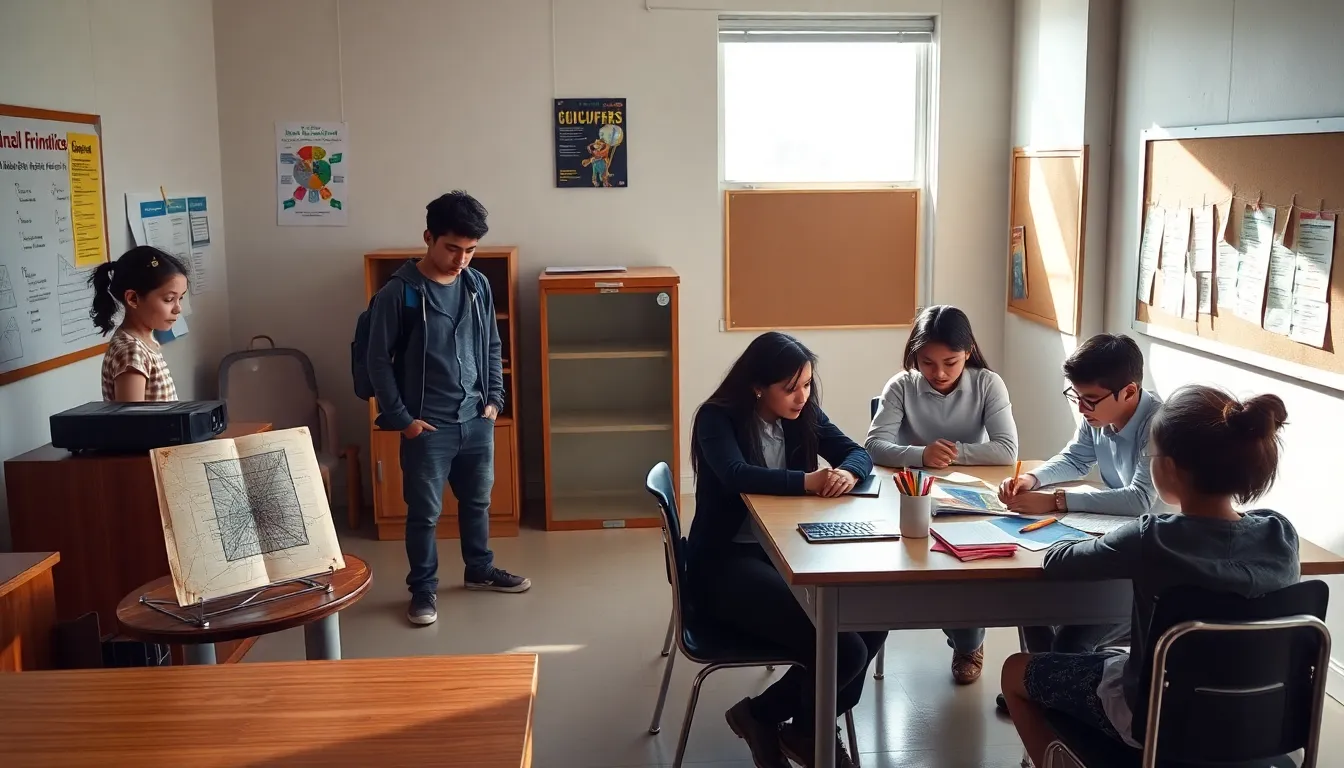
In the past decade, many schools have witnessed a troubling trend: dwindling budgets. State and local governments have tightened their purse strings, leading to significant cuts in education spending. Schools are increasingly left to scrape by, relying on outdated textbooks, crumbling infrastructures, and inadequate supplies.
This situation creates a significant disadvantage for students. When learning environments are compromised, so is student engagement. Imagine trying to learn math in a classroom where the projector doesn’t work or without enough desks for everyone. It’s no wonder many students find themselves disengaged. Even extracurricular activities, those that often enrich the educational experience, are on the chopping block. Without funding, schools can struggle to provide key programs that help develop critical thinking, teamwork, and resilience.
Without a doubt, the issue of funding shapes the educational landscape, and until policymakers prioritize investment in education, this trend may only worsen.
Impact of Standardized Testing
Standardized testing has become the elephant in the room of education. While its proponents argue that it provides measurable benchmarks, the reality often paints a different picture. Students are bombarded with tests that often assess rote memorization rather than critical thinking or problem-solving skills.
For educators and administrators, the stakes are even higher. Results from these tests can dictate funding, staffing levels, and even the reputation of the school itself. So, many schools feel pressured to ‘teach to the test,’ sacrificing creativity for conformity. When education becomes about passing a test rather than fostering a love for learning, students suffer.
Besides, the stress associated with these assessments can take a toll on mental health, making students feel like mere numbers rather than individuals. Eventually, this leads to a disconnect between students and the joy of learning.
Inequality and Accessibility Issues
Inequality in the education system is a glaring issue that must be addressed. Students in low-income areas often attend schools that lack resources, experienced teachers, and even proper facilities. This discrepancy can set the stage for a cycle of disadvantage that’s hard to break.
Accessibility extends beyond mere physical facilities: it also encompasses learning opportunities. Students with disabilities or those who face language barriers often struggle to receive the support they need. An education should empower every student, but when systemic inequality exists, potential goes untapped.
Besides, the digital divide has become a significant issue in a world increasingly reliant on technology. Students without access to the internet or modern devices find themselves at a stark disadvantage, especially in today’s climate where remote learning is utilized. The promise of a level playing field is often marred by these inequities.
Teacher Shortages and Turnover Rates
Teacher shortages are plaguing schools across the country. Many educators are leaving the profession due to burnout, low pay, and a lack of support. This creates a ripple effect that can be felt by students, who often find themselves with inexperienced or unqualified teachers.
High turnover rates disrupt the learning environment and can lead to instability in classrooms. Every time a teacher leaves, relationships are severed, and the continuity of learning is put at risk. Students thrive in stable environments, and frequent changes can lead to confusion and disengagement.
Schools require dedicated teachers who are willing to invest in their students’ futures. But, until salaries and working conditions improve, many will continue to seek opportunities elsewhere. This shortage poses a direct threat to the quality of education being delivered.
Mental Health and Student Well-being
Mental health has emerged as a pressing issue within the educational system. Students today experience unprecedented stress, whether from academic pressures, social dynamics, or family situations. Symptoms of anxiety and depression are increasingly common, often going unnoticed and untreated.
Schools must create environments where students can openly discuss their mental health. This includes having access to counselors and mental health resources. Unfortunately, many schools are under-resourced and unable to provide the necessary support for their students. The stigma around mental health often prevents students from seeking help, further exacerbating their issues.
To build a supportive atmosphere, educators must prioritize holistic learning that encompasses emotional wellness alongside academic growth.
Incorporating Technology Effectively
While technology offers a plethora of educational opportunities, its integration within the classroom often falls short. Many schools embrace the shiny allure of digital tools without considering whether they genuinely aid the learning process. The result? Confusion and frustration instead of innovation and excitement.
Effective technology integration should enhance educational practices rather than replace them. Schools must train educators to use tools effectively and adapt to various learning styles. Too often, technology is seen as a quick fix rather than a tool to enrich the educational experience.
Without thoughtful implementation, the promise of technology risks becoming yet another challenge rather than a solution.


