

In a world where healthcare is evolving faster than you can say “scrubs,” nurse education today stands at a fascinating crossroads. Once upon a time, nursing was primarily about rote learning and textbooks. But now, it’s a dynamic blend of new technologies, innovative teaching methods, and a dash of good humor to keep it all grounded. Let’s jump into the evolution of this profession and discover what it takes to train the next generation of healthcare heroes.
The Evolution of Nurse Education
Historical Context
Nurse education has a rich history, evolving from informal apprenticeships to formalized programs. The first nursing schools emerged in the late 19th century, thanks in large part to trailblazers like Florence Nightingale, who emphasized the importance of sanitation and compassionate care. Fast forward to the present, and the landscape is utterly transformed. Today, nursing education is a structured path requiring rigorous academic training, clinical experience, and a commitment to lifelong learning.
Changes in Curriculum
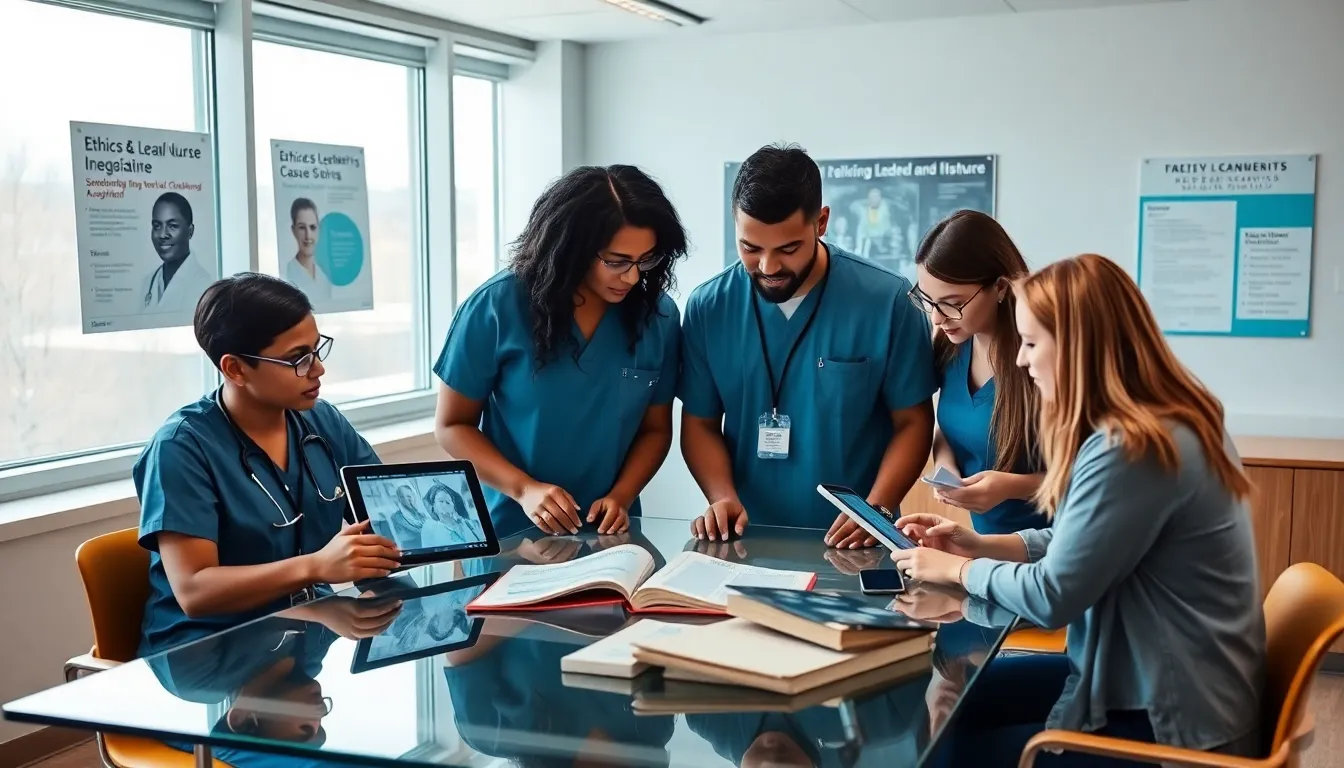
The curriculum has seen dramatic shifts over the years. Where once students focused primarily on the basics, today’s programs incorporate advanced sciences, ethics, and even leadership skills. Students are challenged with case studies and practical scenarios that reflect real-world complexities. This evolution ensures that graduates are well-prepared to tackle modern healthcare challenges.
Impact of Technology on Education
Online Learning and Virtual Simulations
Gone are the days of exclusively sitting in a lecture hall. Online learning is revolutionizing nurse education. With platforms offering flexible schedules, students can balance life’s demands while diving deep into their studies. Virtual simulations are particularly game-changing, allowing students to practice procedures in a risk-free environment. Immersive scenarios help hone critical thinking and clinical skills. Who knew learning could be this fun?
Telehealth Training Programs
As healthcare shifts towards telehealth, training in this area has become crucial. Many nursing programs are now integrating telehealth training into their curriculums. This equips students with the skills to navigate virtual consultations, understand digital tools, and communicate effectively with patients remotely. Telehealth isn’t just a passing trend: it’s reshaping how care is delivered.
Challenges in Nurse Education
Clinical Placement Shortages
Even though advancements, nurse education faces challenges, notably clinical placement shortages. Many nursing students find it increasingly difficult to secure the required hands-on experience. Hospitals and clinics can only accept a limited number of trainees, causing frustration among students eager to learn. It begs the question, what can be done to alleviate these shortages?
Balancing Theory and Practice
Finding the perfect balance between theory and hands-on practice is another hurdle. While a solid foundational knowledge is critical, nursing is eventually a hands-on profession. Some programs grapple with how to effectively integrate classroom learning with real-world application. In the end, the goal is to produce not just knowledgeable nurses but skilled practitioners ready to hit the ground running.
Future Trends in Nurse Education
Interprofessional Education
Looking ahead, interprofessional education is gaining momentum. Healthcare isn’t a solo act: it’s a team sport. By training with other healthcare professionals, like pharmacists, physical therapists, and social workers, nursing students gain a holistic view of patient care. This collaborative approach fosters essential communication skills and teamwork, which are crucial in today’s multidisciplinary healthcare environment.
Lifelong Learning and Professional Development
Finally, the future of nurse education will increasingly focus on lifelong learning. The healthcare landscape is ever-changing, and staying current is no longer an option, it’s a necessity. Continuing education and professional development will be vital for nurses wishing to advance their careers and adapt to new challenges. After all, just because you’ve earned your degree doesn’t mean the learning stops there.


