
Is your iPhone screen saver more annoying than a fly buzzing around your ear? You’re not alone. Many users find themselves trapped in a never-ending loop of images that just don’t vibe with their style. Whether it’s a random cat photo or that vacation pic you’d rather forget, it’s time to reclaim your screen and say goodbye to those unwanted distractions.
Understanding Screen Savers on iPhone
Screen savers on iPhone serve as a way to personalize the device’s display when inactive. Many users find themselves cycling through various images, including pets or vacation memories, often leading to dissatisfaction.
What Is a Screen Saver?
A screen saver functions as a visual display when an iPhone remains idle for a certain period. It activates automatically to prevent screen burn-in and conserve battery life. Rather than a traditional screen saver, iPhone devices primarily utilize the “Lock Screen” and “Home Screen” wallpapers, which can be customized by users. This feature allows for a more engaging user experience but can also lead to unexpected images, causing frustration.
Importance of Managing Screen Savers
Managing screen savers contributes significantly to the overall user experience on an iPhone. Control over displayed images ensures that users enjoy photos that resonate with them. Avoiding random or unwanted images enhances personal satisfaction with the device. Regularly updating screen savers reflects changing preferences and can even boost creativity when revisiting cherished memories. Adjusting these settings offers a simple way to enhance digital interaction and keep the device feeling fresh.
How to Access Screen Saver Settings
Accessing screen saver settings on an iPhone provides users the ability to manage their visual display preferences. This control ensures that the screen reflects personal tastes and improves overall experience.
Navigating to Settings
Open the Settings app from the home screen. Users can identify it by the gear icon. After opening Settings, scroll down until reaching the ‘Wallpaper’ option. Selecting this will display different wallpaper options and screen saver settings.
Finding the Screen Saver Option
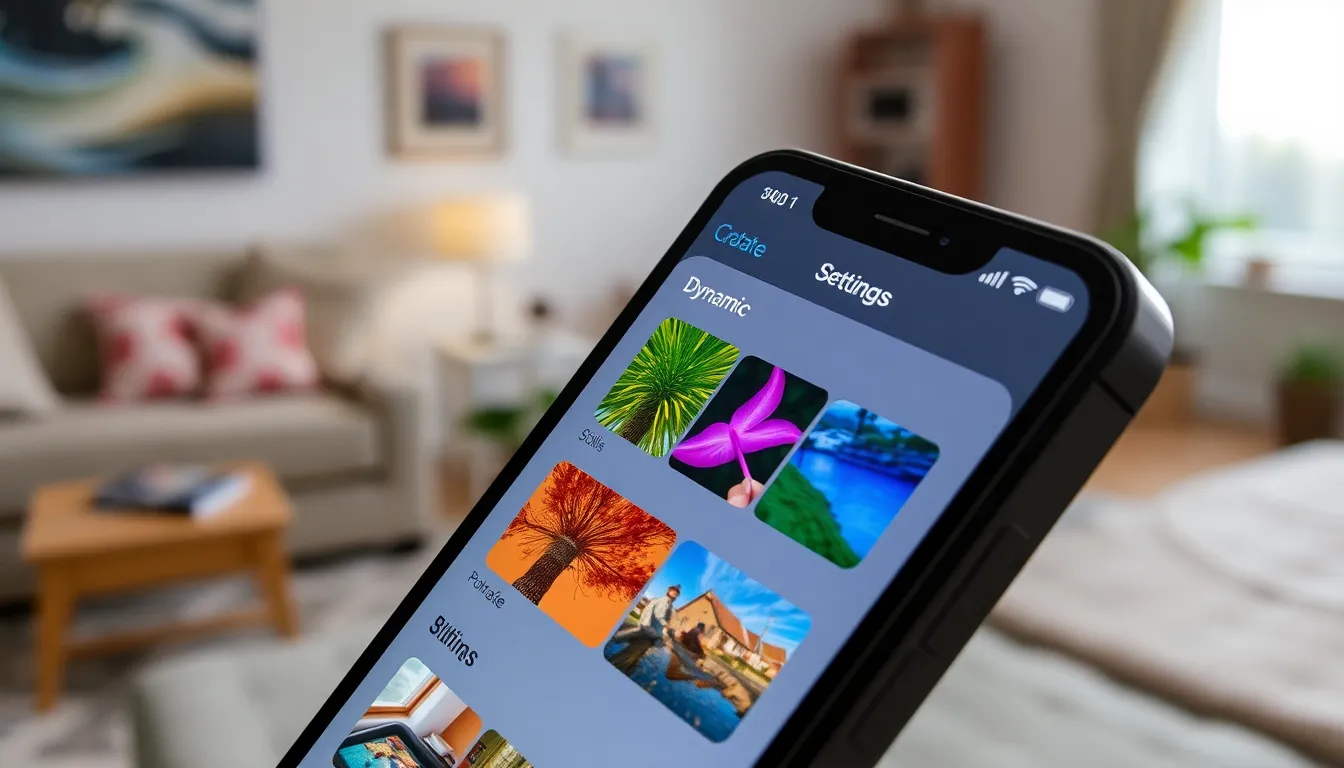
Under the Wallpaper menu, tap on ‘Choose a New Wallpaper’. This section presents various categories, such as Dynamic, Stills, or Live options. Users can preview any selection by tapping on it. For screen savers, look for the ‘Photos’ option, where personal photo albums are accessible. After selecting photos, users can review their choices before finalizing the screen saver settings.
Steps to Delete Screen Saver on iPhone
Removing the screen saver on an iPhone involves straightforward steps. Users can quickly regain control of their display settings.
Step-by-Step Guide
- Open the Settings app.
- Scroll down to find Wallpaper.
- Tap on Choose a New Wallpaper.
- Select a category such as Dynamic, Stills, or Live.
- Choose Photos to access personal albums for final selection.
- Select an image or solid color to set as the new wallpaper.
- Tap Set and choose whether to apply it to the Lock Screen, Home Screen, or both.
Following these steps ensures that the screen saver reflects personal style and preferences.
Alternative Methods
Changing the screen saver can also be done using shortcuts. Users can utilize the Photos app, where they may highlight specific albums.
- Open the Photos app.
- Go to the album containing desired images.
- Tap on a photo to view it in full screen.
- Use the share icon, select Use as Wallpaper, and proceed to set it.
Exploring these methods offers flexibility for users who may prefer alternative approaches to changing their screen savers.
Common Issues and Troubleshooting
Users often encounter several issues when attempting to delete screen savers on their iPhones. One common problem involves the inability to access wallpaper settings, which may stem from software glitches. Another frequent issue arises when users select photos that fail to display in the designated preview, leaving them frustrated. Screen savers might return unexpectedly after deletion, especially if they sync with iCloud or other devices. These situations can undermine the goal of customizing the iPhone experience.
Clearing these problems typically requires a few steps. Restarting the device often resolves minor software glitches. Users should also ensure the iPhone’s software updates are installed, as updates can prevent issues. If problems persist, resetting the phone’s settings may restore functionality. Lastly, confirming that permissions for the Photos app are enabled allows for smooth access to desired images. These tips help users effectively manage their screen savers and maintain a personalized experience.
Taking control of screen savers on an iPhone can significantly enhance the user experience. By following the steps outlined in the article users can easily delete unwanted screen savers and select images that resonate with their personal style. This simple adjustment not only improves the aesthetic appeal of their device but also keeps it feeling fresh and engaging.
Addressing common issues ensures a smooth customization process allowing users to enjoy their iPhones without unnecessary distractions. Regularly updating screen saver settings can boost creativity and reflect changing tastes. With these tips users are empowered to create a display that truly represents them.


