

In a world where the classroom often feels like a distant memory, homeschooling has emerged as a popular choice for many families. But let’s be real—navigating this educational journey can feel like trying to assemble IKEA furniture without the instructions. That’s where homeschool support swoops in like a superhero, ready to save the day!
With resources, communities, and expert advice at their fingertips, parents can transform their homes into vibrant learning environments. Whether it’s finding the right curriculum or connecting with fellow homeschoolers, the right support can make all the difference. So, buckle up as we explore the ins and outs of homeschool support and discover how it can turn those “what was I thinking?” moments into “I’ve got this!” triumphs.
What Is Homeschool Support?
Homeschool support encompasses a variety of resources and assistance designed to aid families in their educational journey. This support can come from formal organizations, local groups, or online communities. By connecting with other homeschooling families, parents often find motivation and shared experiences that enhance their teaching efforts.
Experts in education also offer valuable guidance. These professionals provide strategies for effective curriculum development and learning styles. They help individuals tackle challenges, like ensuring children meet educational standards or maintaining engagement in learning.
Accessing diverse resources significantly contributes to a successful homeschooling experience. Many families use educational websites, online courses, and interactive tools to enhance their teaching methods. Libraries and local educational centers may host workshops or events that introduce new techniques and ideas.
Additionally, local groups often hold co-op classes, where students learn together in a structured environment. These collaborative efforts alleviate feelings of isolation often experienced by homeschooling families. Building connections through social events also fosters a sense of community and support.
Homeschool support includes various forms of assistance aimed at empowering parents and students alike. This support network plays a crucial role in creating a fulfilling learning environment that can adapt to each child’s unique needs.
Types of Homeschool Support
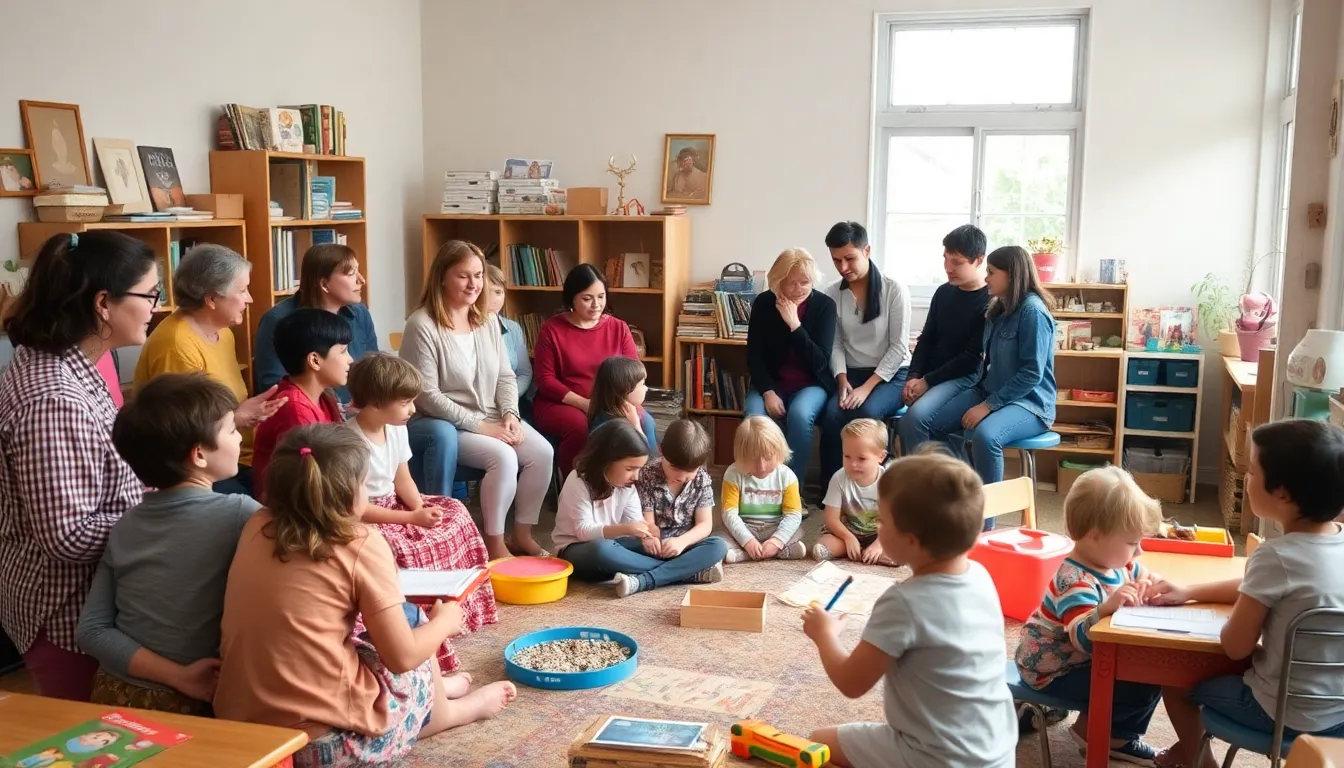
Homeschool support encompasses various resources that enhance the learning journey. Two primary types are online resources and local support groups.
Online Resources
Online resources provide a wealth of educational materials. Parents utilize websites featuring lesson plans, video tutorials, and interactive activities. Numerous educational platforms offer full courses tailored to different age groups. Digital libraries host a vast array of eBooks catering to various subjects. Webinars and virtual workshops allow educators to gain insights from experts. Many forums connect homeschooling families, allowing them to share experiences and advice. These digital spaces foster both creativity and collaboration, ultimately enriching the homeschooling experience.
Local Support Groups
Local support groups play a crucial role in building community among homeschooling families. Through these groups, parents organize co-op classes that facilitate shared learning experiences. Social events provide opportunities for children to make friends and develop social skills. Discussions regarding educational challenges help families navigate common issues together. Many local groups also offer resources like shared supplies and group field trips. Engaging with others in the community creates a supportive environment that nurtures both learning and personal connections.
Benefits of Homeschool Support
Homeschool support provides crucial advantages for families navigating their educational journey. It enhances learning experiences and fosters community connections.
Academic Guidance
Homeschool support offers tailored academic guidance. Parents access expert advice on curriculum choices, ensuring alignment with educational standards. Resources like lesson plans and teaching strategies empower families to meet individual learning needs. Workshops and webinars facilitate understanding of diverse learning styles. Networking with experienced educators equips parents with the tools to address academic challenges effectively. Successful academic journeys often stem from utilizing these resources for customized instruction.
Emotional Support
Emotional support plays a vital role in the homeschool experience. Connecting with local support groups fosters a sense of community and belonging among families. Sharing experiences and challenges with peers creates strong bonds. Parents receive encouragement when navigating homeschooling difficulties. Groups often organize social activities, allowing children to build friendships and develop social skills. When families experience challenges, community support offers reassurance and motivation. Emotional resilience flourishes in a nurturing environment.
Challenges of Homeschool Support
Homeschool support presents several challenges that can impact families. Understanding these obstacles is crucial for effective planning and resource allocation.
Access and Availability
Access to homeschool support resources varies significantly. Geographic location often determines the availability of local groups and workshops. Rural families may struggle to find nearby resources, while urban areas typically offer more options. Online resources alleviate some limitations by providing vast educational materials that can reach any household. However, internet connectivity issues can hinder access to these digital platforms. Availability of expert guidance also poses a challenge, particularly for families seeking personalized advice. Engaging with local support networks enhances accessibility by connecting families to shared experiences and resources tailored to their specific needs.
Balancing Independence and Assistance
Balancing independence with the need for assistance can be tricky for homeschooling families. Parents frequently grapple with finding the right level of involvement in their children’s education. Too much independence can lead to gaps in learning, while excessive assistance may stifle a child’s confidence and self-motivation. Setting clear boundaries helps curb this issue. Establishing a routine supports children’s independence, fostering creativity in their learning processes. Regular check-ins can also deepen understanding while promoting a sense of autonomy. Engaging with support groups allows parents to share strategies and learn from one another, creating a supportive network that enhances educational experiences.
Homeschool support plays a crucial role in shaping successful educational journeys for families. By leveraging resources and connecting with others, parents can overcome challenges and create enriching learning environments. The collaboration between local groups and online platforms fosters a sense of community that enhances both academic and social experiences.
As families navigate the complexities of homeschooling, the right support can make all the difference. It empowers parents to tailor their approaches to meet individual needs while providing emotional encouragement. Ultimately, embracing the available support networks leads to a more fulfilling and effective homeschooling experience for both parents and children alike.


