

In a world where students often find themselves staring blankly at their textbooks, fresh and engaging curriculum ideas can be the secret sauce to spark their interest. Imagine transforming a mundane lesson into an unforgettable adventure that even the most reluctant learners can’t resist. It’s not just about filling time; it’s about igniting curiosity and fostering a love for learning.
Innovative Curriculum Ideas
Innovative curriculum ideas transform lessons into captivating experiences. They engage students and inspire a lifelong passion for learning.
Project-Based Learning
Project-based learning encourages students to tackle real-world problems through hands-on activities. They collaborate in teams to research, design, and present solutions. This approach fosters critical thinking and effective communication skills. Assessing students through their projects instead of traditional tests offers a deeper understanding of their knowledge and abilities. Additionally, it provides opportunities for creativity and individual expression. Schools that implement project-based learning see higher student engagement and improved retention of information.
Thematic Units
Thematic units integrate multiple subjects around a central theme. Connecting history, science, art, and literature allows for a more holistic learning experience. Students explore diverse perspectives related to a particular topic, enhancing both comprehension and interest. For instance, a unit on ecosystems can combine biology lessons with art projects and historical studies of environmental movements. This method encourages students to make cross-disciplinary connections and apply their knowledge in various contexts. Implementing thematic units results in greater enthusiasm and retention among students, enhancing overall academic performance.
Technology-Enhanced Curriculum Ideas
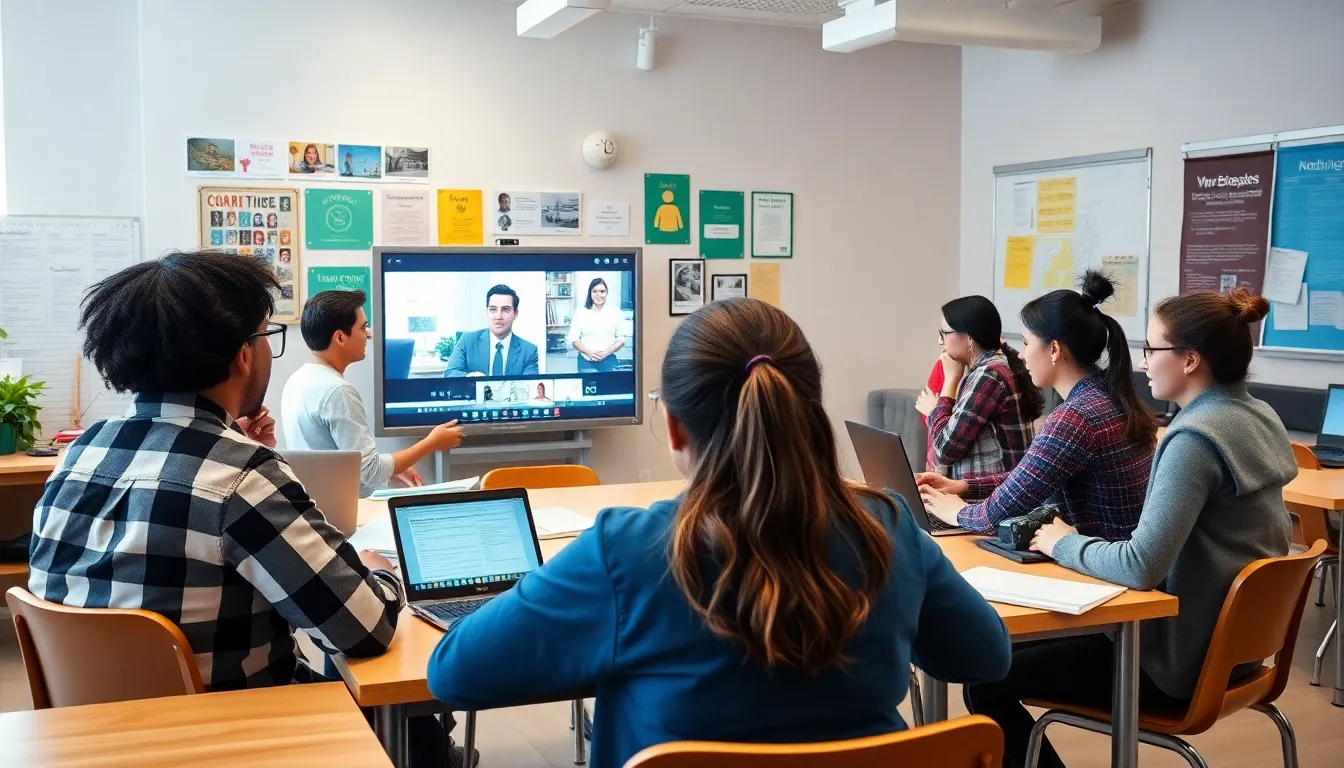
Technology plays a vital role in modern curriculum development. It opens avenues for creativity and engagement, enhancing the learning experience for students.
Incorporating Digital Tools
Incorporating digital tools in curriculum design creates interactive environments. Platforms like Google Classroom and educational apps facilitate collaboration and communication among students. Virtual reality offers immersive experiences that deepen understanding of complex subjects. Students utilize online research methods to gather current information on various topics. Video conferencing enables guest speakers to share expertise, broadening perspectives. Learning management systems streamline assessments, allowing for more personalized feedback.
Blended Learning Approaches
Blended learning approaches combine traditional and online learning methods. Students attend in-person classes while accessing online resources for deeper exploration. This flexibility accommodates diverse learning styles and paces. Structured schedules allow learners to engage with the material outside the classroom environment. Teachers can use data analytics to monitor progress, providing tailored support. Enhanced participation strengthens students’ accountability and fosters a sense of ownership over their education.
Curriculum Ideas for Diverse Learners
Engaging diverse learners requires intentional strategies that cater to varied backgrounds and learning preferences. Fostering an inclusive environment supports all students in reaching their potential.
Culturally Responsive Teaching
Culturally responsive teaching values and incorporates students’ cultural backgrounds into the curriculum. This approach helps learners feel acknowledged and respected. Teachers can integrate diverse texts and media that reflect students’ experiences. Activities that encourage sharing personal stories promote understanding among peers. Facilitating discussions around different cultural perspectives enriches classroom dialogue. Using examples from various cultures in lessons demonstrates relevance and applicability. This method not only enhances connections but also cultivates a sense of belonging for all students.
Differentiated Instruction
Differentiated instruction personalizes learning experiences according to each student’s needs. Adjusting content, process, and product ensures every learner can succeed. Teachers assess students’ readiness, interests, and learning profiles to tailor instruction. Flexible grouping allows collaboration with peers at different levels, fostering deeper learning. Incorporating various teaching methods, such as visual aids and hands-on activities, accommodates diverse learning styles. Providing options for assignments encourages autonomy and enhances motivation. This adaptive approach empowers students by easing access to challenging material and promoting academic growth.
Sustainability in Curriculum Ideas
Sustainability plays a crucial role in today’s educational landscape. Incorporating sustainable practices into curriculum design enriches student learning experiences.
Environmental Education
Environmental education equips students with the knowledge and skills necessary to understand environmental issues. This approach connects students to local ecosystems through hands-on activities like field studies and conservation projects. Engaging with nature ignites students’ curiosity and fosters a sense of responsibility towards the environment. Learning about sustainability practices promotes awareness of renewable resources, waste management, and biodiversity. Curriculum that emphasizes environmental literacy enhances critical thinking as students analyze real-world problems. Such experiences cultivate a generation of informed citizens ready to tackle global challenges.
Community Involvement
Community involvement strengthens the tie between classroom learning and real-world applications. Local organizations provide students with opportunities to engage in service-learning projects that address community needs. Collaborating with local businesses and NGOs creates hands-on experiences, such as environmental clean-ups or urban gardening. These initiatives enable students to witness the impact of their actions and motivate them toward social responsibility. Incorporating community perspectives into the curriculum fosters respect and understanding of diverse viewpoints. Ultimately, community-oriented projects build partnerships that extend learning beyond the classroom.
Innovative curriculum ideas are essential for fostering an engaging and effective learning environment. By embracing diverse approaches such as project-based learning and thematic units, educators can ignite students’ curiosity and passion for knowledge. The integration of technology further enhances these experiences, providing interactive platforms that cater to various learning styles.
Moreover, incorporating culturally responsive teaching and differentiated instruction ensures that all students feel valued and supported. This adaptability not only promotes academic growth but also nurtures a sense of belonging.
Lastly, emphasizing sustainability and community involvement enriches the educational experience, preparing students to become responsible global citizens. By implementing these strategies, educators can transform traditional classrooms into vibrant spaces that inspire lifelong learners.


