
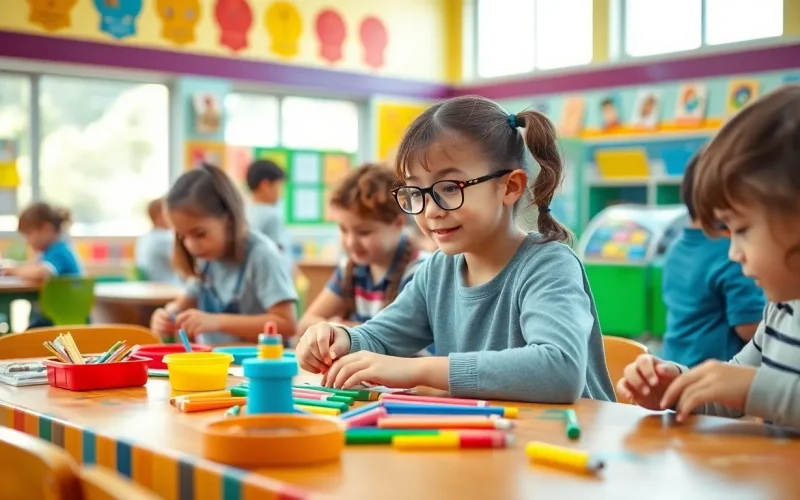
In a world buzzing with distractions, learning centers stand as beacons of focus and creativity. Imagine a place where curiosity reigns, and knowledge flows like coffee on a Monday morning—energizing and essential. These hubs aren’t just about hitting the books; they’re about igniting passion and fostering collaboration among learners of all ages.
What Are Learning Centers?
Learning centers offer focused environments that foster creativity and enhance learning. These spaces serve as hubs where curiosity flourishes and knowledge is easily accessible.
Definition and Purpose
Learning centers represent dedicated spaces designed to support various learning activities. Their primary purpose centers around enhancing engagement through hands-on experiences. Educators create environments that encourage exploration and collaboration. Implementing diverse resources, they promote critical thinking and creativity. Learning centers adapt to different subjects and objectives, catering to the needs of learners.
Types of Learning Centers
Several types of learning centers exist to support different educational goals. Resource centers incorporate books and technology to facilitate research. Creative centers provide materials for artistic endeavors, inspiring imaginative expression. Science centers offer hands-on experiments, promoting inquiry-based learning. Literacy centers focus on reading and writing skills, fostering communication. Each type plays a crucial role in enriching the learning experience and supporting diverse learning styles.
Benefits of Learning Centers
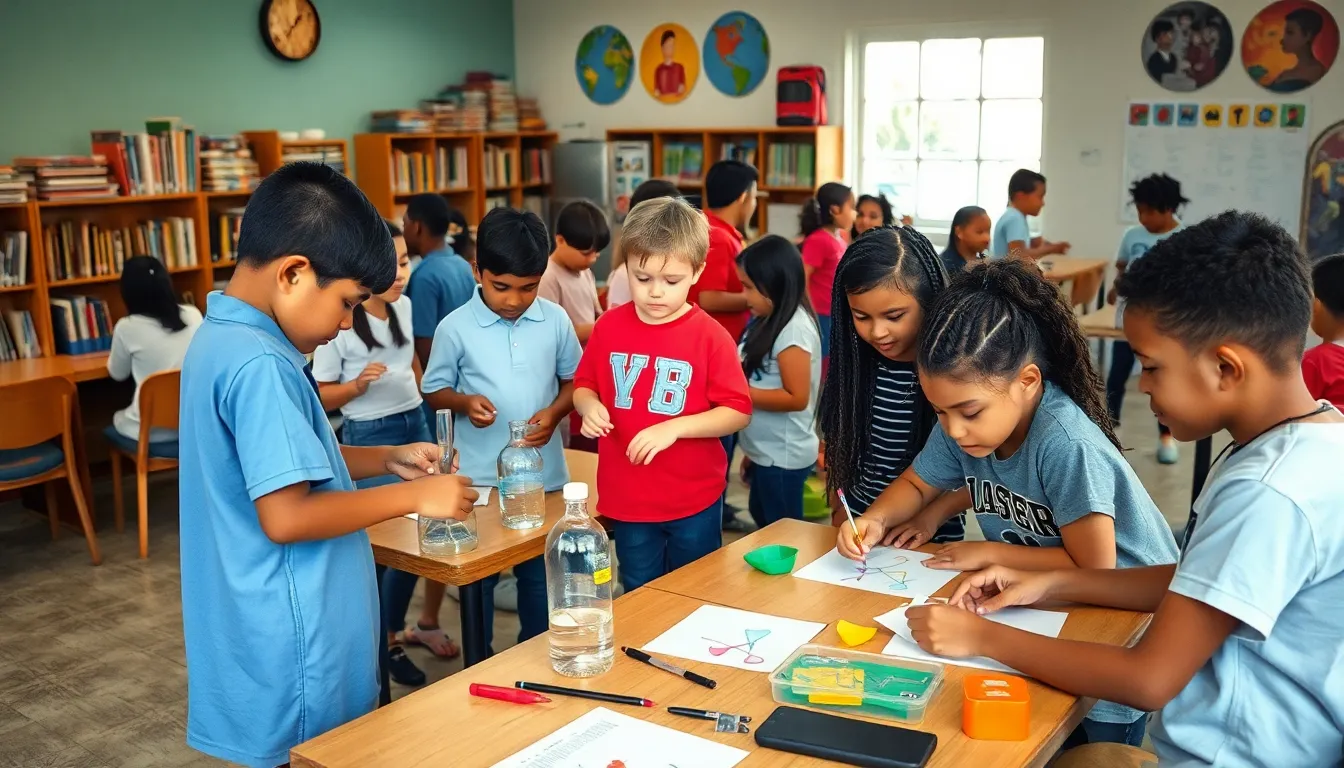
Learning centers provide significant advantages that enhance the educational experience for learners. They foster an engaging environment tailored to diverse learning preferences.
Enhanced Learning Opportunities
Learning centers offer diverse resources, enabling students to explore topics through hands-on activities. These centers support various learning styles, catering to visual, auditory, and kinesthetic learners. Access to updated materials promotes deeper understanding and cultivates critical thinking skills. For example, resource centers may contain computers and books that facilitate research, while science centers provide lab equipment for experiments. Students can apply knowledge through real-world applications, reinforcing lessons learned in traditional classroom settings. Moreover, flexibility in learning paces accommodates individual progress, allowing students to delve into subjects that spark their curiosity.
Social Interaction and Collaboration
A collaborative atmosphere thrives in learning centers, encouraging students to engage with peers during group activities. Conversations around shared projects enhance communication skills and build teamwork. Working alongside classmates fosters respect for differing viewpoints while developing problem-solving abilities. These interactions often lead to friendships that extend beyond the center environment, creating a supportive network. Structures like creative centers promote artistic expression, allowing students to exchange ideas freely. Great opportunities arise for learners to assist one another, reinforcing knowledge retention. Ultimately, these social dynamics prepare students for future collaborative endeavors in educational and professional landscapes.
Key Features of Effective Learning Centers
Effective learning centers prioritize creating dynamic spaces that foster curiosity. These environments captivate learners’ attention and welcome exploration.
Engaging Environment
An engaging environment features attractive layouts that inspire creativity and focus. Bright colors, comfortable furniture, and interactive elements enhance the overall atmosphere. Spaces for collaboration promote group interactions, allowing students to work together on projects or discussions. Natural light and open designs can improve mood and motivation, making learning feel less like a task and more like an adventure. Regular updates to the layout keep the center fresh and exciting, sparking ongoing interest in the activities offered.
Diverse Learning Materials
Diverse learning materials cater to various learning styles and interests. Resources such as books, art supplies, and technology enrich the educational experience. Stations equipped with hands-on tools give learners the chance to engage directly with concepts and topics. Students benefit from visual aids, manipulatives, and interactive games that enhance comprehension. Rotating materials and incorporating current events increase relevance and keep content aligned with real-world applications, making the learning center a hub for exploration and growth.
How to Create a Successful Learning Center
Creating a successful learning center requires careful planning and organization alongside the effective use of technology.
Planning and Organization
Begin by assessing the needs of the learners. Identifying specific goals helps tailor the space to meet educational objectives. Establish a clear layout that separates different areas for various activities. Designate spaces for group work, quiet studies and hands-on experiments. Prioritize organization to maintain a clutter-free environment, ensuring easy access to resources. Regularly review materials and update supplies to keep everything relevant and engaging. Train staff to facilitate activities and support learners. Collaboration among educators fosters a cohesive vision for the center. Engage with students for feedback, ensuring the center continually evolves according to their interests and needs.
Implementing Technology
Utilize technology to enhance the learning experience. Introduce interactive whiteboards and digital tools for collaborative projects. Incorporate learning management systems to organize resources and track progress. Access to online databases broadens research opportunities for learners. Utilize educational applications that cater to diverse learning styles. Invite guest speakers through video conferencing to provide fresh perspectives. Implement safety measures, like firewalls and privacy settings, to protect students. Regularly assess the effectiveness of technology used, ensuring it aligns with learning objectives. Make technology an integral part of activities, blending traditional aspects with digital capabilities.
Learning centers serve as vital spaces that nurture curiosity and creativity. By providing diverse resources and engaging environments, they cater to various learning styles and preferences. These centers not only enhance academic experiences but also promote essential skills like collaboration and critical thinking.
As educators continue to innovate and adapt these spaces, the potential for positive impact on learners grows. The focus on creating dynamic, interactive environments ensures that students remain motivated and engaged. Investing in effective learning centers is crucial for fostering a love for learning that extends beyond traditional classroom boundaries.


