
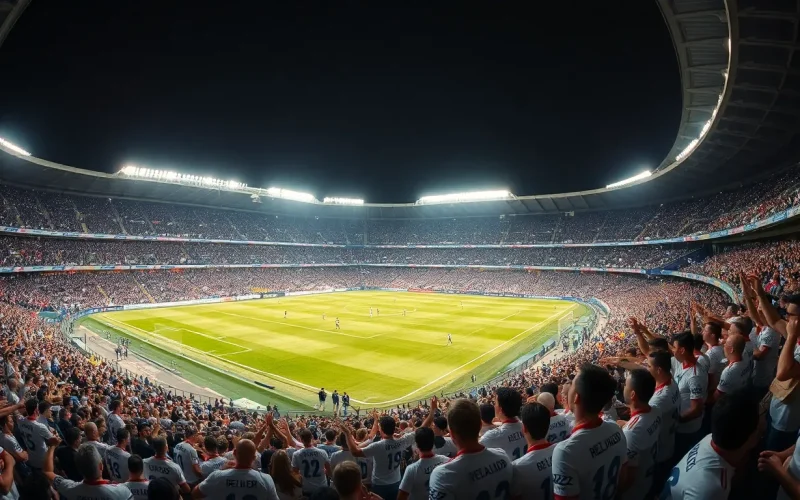
Real Madrid isn’t just a football club; it’s a phenomenon that has captivated fans worldwide. With a rich history and a roster of legendary players, it’s no wonder that the team’s stadium, Santiago Bernabéu, is a pilgrimage site for die-hard supporters. But what really sets Real Madrid apart are its iconic positions on the pitch.
Overview of Real Madrid’s Position
Real Madrid stands as one of the most successful football clubs in history. Its status is marked by numerous domestic and international titles, showcasing a legacy of excellence. The team has secured a record 14 UEFA Champions League trophies and 35 La Liga titles, emphasizing its dominance in both European and Spanish football.
A blend of talent and passion defines Real Madrid’s lineup. Iconic players such as Cristiano Ronaldo, Alfredo Di Stéfano, and Zinedine Zidane have contributed significantly to its success. Their performances not only captured titles but also resonated with fans worldwide, enhancing the club’s reputation.
Santiago Bernabéu Stadium plays a pivotal role in Real Madrid’s allure. This legendary venue seats over 81,000 spectators, offering a vibrant atmosphere during matches. Visitors and fans often describe the experience as unforgettable, heightening the club’s global appeal.
The team’s strategic positioning on the pitch reflects a commitment to attacking style and dynamic play. Its unique formations often adapt to match situations, showcasing tactical flexibility. This adaptability helps maintain a competitive edge within La Liga and across international competitions.
Sponsorship and partnerships also bolster Real Madrid’s standing in the football world. High-profile collaborations with global brands such as Adidas and Fly Emirates contribute significant financial resources. These alliances enhance the club’s ability to attract top talent and invest in infrastructure.
Cultural significance accompanies Real Madrid’s sporting achievements. Its influence extends beyond football, representing values such as resilience, ambition, and teamwork. This reputation strengthens fan loyalty and unites supporters across various continents.
Historical Context of Real Madrid’s Places
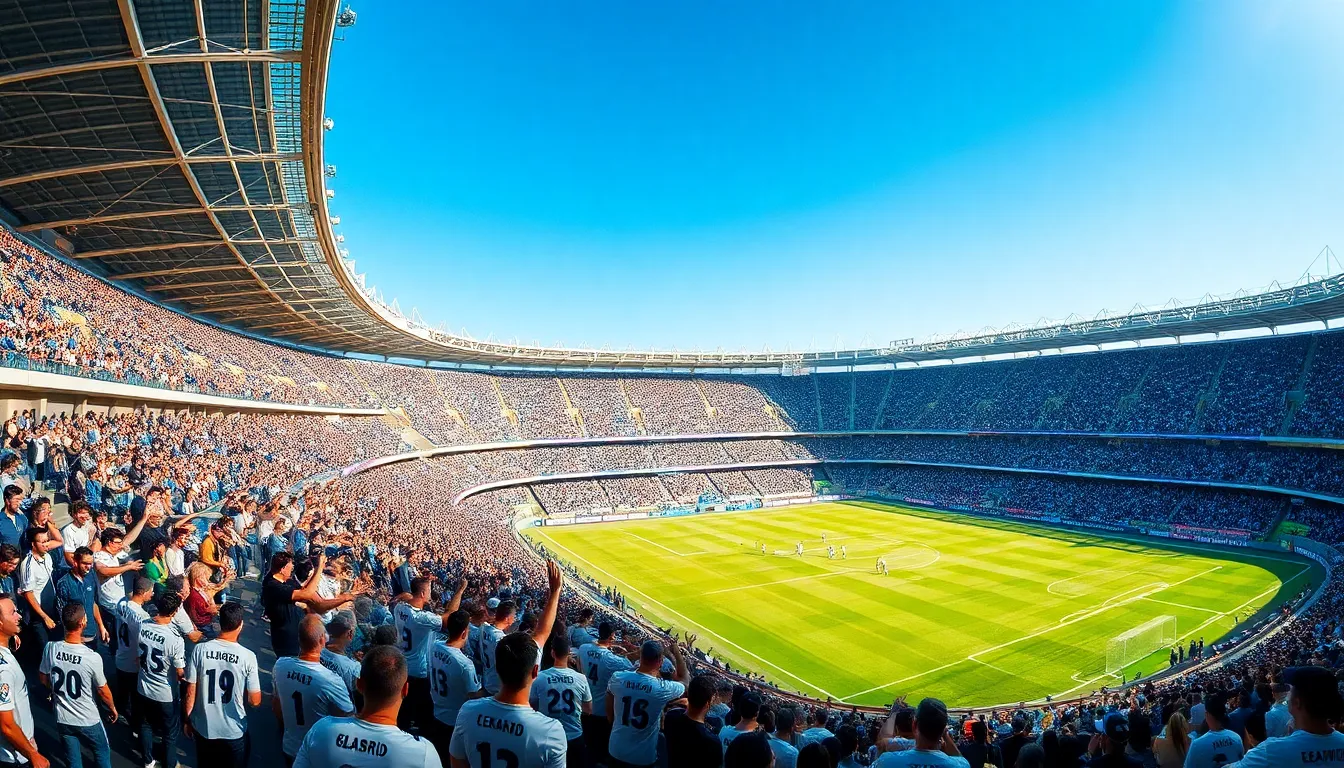
Real Madrid’s history is rich and multifaceted, reflecting its prominent role in global football. Key moments have shaped its legendary status, many of which resonate with fans and players alike.
Key Milestones in History
Founded in 1902, Real Madrid quickly gained recognition. Winning its first La Liga title in 1929 marked a significant achievement. The club’s first UEFA Champions League victory came in 1956, setting a precedent for future dominance. In total, Real Madrid has secured 14 UEFA Champions League trophies, a record unmatched. Rebranding efforts in the early 2000s aimed to enhance the club’s appeal in international markets, allowing for major player signings. Notable milestones continue to accumulate, illustrating the club’s persistent success and unwavering legacy.
Evolution of the Club’s Status
Real Madrid’s journey from a local club to a global powerhouse showcases its growth. Initially focused on regional competition, it soon established itself internationally. In the 1980s, a golden era began with successful runs in UEFA competitions. The introduction of star players further elevated its status in the 2000s. Financial investments in infrastructure, including the renovation of the Santiago Bernabéu Stadium, reinforced its position. Expanding the brand through worldwide sponsorships has solidified its elite status among football clubs globally.
Current Standing in Football
Real Madrid consistently maintains a prominent position in both domestic and international football. The club’s success is a testament to its legacy and competitive spirit.
Domestic Achievements
Real Madrid’s domestic achievements highlight its dominance in Spanish football, boasting a record 35 La Liga titles. The club has showcased its prowess in the Copa del Rey, claiming victory 19 times. These accomplishments establish Real Madrid as a leader in Spanish competitions. Winning consecutive titles has cemented the club’s reputation for excellence. The team’s ability to secure points consistently enhances its standing in La Liga and demonstrates its commitment to success.
International Recognition
Internationally, Real Madrid stands out with 14 UEFA Champions League trophies, the most in the competition’s history. This remarkable record underscores the club’s strength on the European stage. Winning the Champions League multiple times signifies dominance and strategic foresight. Regular appearances in knockout stages enhance the club’s reputation among global football fans. Additionally, triumphs in international tournaments have solidified Real Madrid’s status as a premier club, attracting world-class talent and sponsorships.
Impact of Fan Culture on Real Madrid
Fan culture plays a crucial role in the identity and success of Real Madrid. The unwavering support from millions of fans around the globe shapes the club’s energy and atmosphere.
Role of Supporters in the Club’s Success
Supporters significantly contribute to Real Madrid’s achievements. Their loyalty creates an electric environment at Santiago Bernabéu Stadium, influencing player performance and morale. This passionate backing translates into a competitive edge, particularly during high-stakes matches. Fans’ engagement through social media platforms further amplifies the club’s visibility and brand. Sponsorships often leverage this robust fan base, enhancing the club’s financial strength and ability to recruit top talent. The emotional investment fans make fosters a culture of unity and resilience, which resonates within the team’s ethos.
Famous Fan Traditions
Real Madrid boasts several rich traditions that highlight fan devotion. The “Peñas,” or fan clubs, organize events to rally support and strengthen community bonds. Home games feature fervent chants and rhythmic clapping, creating a vibrant atmosphere that intimidates opponents. Special occasions, such as the annual celebration of titles, bring fans together to commemorate victories and share in team pride. The tradition of gathering outside the Santiago Bernabéu for celebrations exemplifies the deep emotional connection fans have with the club. Rituals surrounding match days, including pre-game gatherings and post-match discussions, reinforce a collective identity that unites supporters across generations.
Future Prospects for Real Madrid’s Places
Real Madrid faces a dynamic landscape in the coming years. Adjustments in player recruitment and tactical adaptations will play essential roles.
Upcoming Challenges
Competing teams in La Liga continue to strengthen their squads, making it vital for Real Madrid to reassess its strategies. Maintaining a top position requires adapting to emerging challenges from rivals like Barcelona and Atlético Madrid. UEFA Champions League matches introduce another layer of pressure, as any missteps could impact the club’s historic dominance. Additionally, injuries can disrupt team chemistry, posing risks during key fixtures. Financial management also emerges as a significant concern, especially with increasing operational costs and sky-high player wages. Preparing for these challenges ensures Real Madrid remains competitive nationally and internationally.
Potential for Growth
Expansion into new markets presents exciting opportunities for Real Madrid. Securing strategic sponsorship deals can provide additional financial stability and resources. Investing in youth academies strengthens the talent pipeline, ensuring a flow of skilled players for the future. Furthermore, enhancing fan engagement through digital platforms offers a way to connect with supporters globally. Fostering relationships with international clubs can facilitate beneficial partnerships and growth. Embracing technological advancements may improve training methods and overall performance, increasing competitiveness. Each of these growth avenues positions Real Madrid to thrive in the evolving football landscape.
Real Madrid’s legacy in football is undeniable. Its remarkable achievements and global appeal continue to inspire millions of fans around the world. The club’s iconic Santiago Bernabéu Stadium stands as a testament to its rich history and vibrant culture, creating an electric atmosphere for supporters.
As Real Madrid navigates the challenges of modern football, its commitment to excellence remains steadfast. The blend of strategic player recruitment and a strong fan base ensures the club’s prominence in both domestic and international competitions. With a focus on innovation and community engagement, Real Madrid is poised to maintain its status as a football powerhouse for years to come.


